
Artificial intelligence has moved from side projects to one of the fundamental drivers of federal modernization. In 2026, federal agencies are accelerating adoption to meet mandates around efficiency, data-driven decision‑making, and operational resilience.
The General Services Administration (GSA) alone is steering a projected $5 billion investment in AI, emphasizing cloud-based solutions and cybersecurity as essential modernization pillars. For federal contractors, AI fluency is shifting from advantage to expectation.
AI Transformation Across the Federal Contracting Ecosystem
In the acquisition environment, AI is already streamlining major bottlenecks. Tools that interpret Federal Acquisition Regulation (FAR) requirements can now analyze thousands of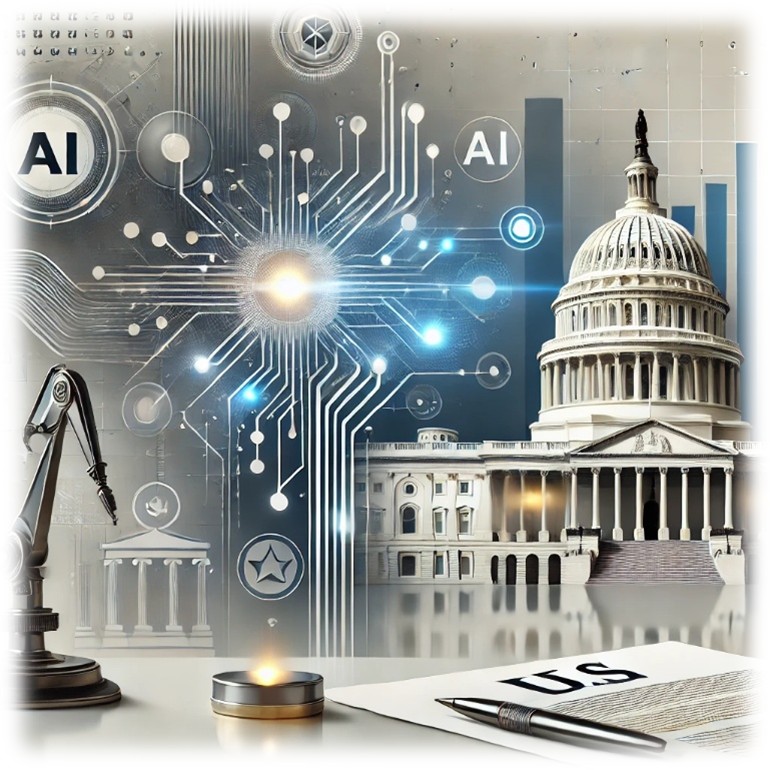 clauses in seconds and surface only what applies to a given procurement action, easing one of the most time‑intensive aspects of contracting work. Meanwhile, agencies are deploying more capable chatbots to respond to citizen inquiries and internal helpdesk needs using natural language understanding and contextual awareness, producing faster and more accurate delivery. Automation is also improving large operational workflows, from benefits processing to grants management, allowing human teams to focus on strategic oversight rather than repetitive administrative tasks.
Where AI Adoption Stands Nationally
While the industry is moving fast, the transition is not without its hurdles. According to recent 2026 research from LucidWorks, more than 70% of organizations report introducing generative AI, though only 6% have fully implemented advanced “agentic AI” systems capable of autonomous action within guardrails. At the same time, AI‑related concerns have spiked: 83% of leaders cite major or extreme worry related to generative AI, including security, unpredictable outputs, and implementation risk. These concerns underscore the need for strong governance frameworks—yet fewer than one in five organizations report having a fully mature AI governance model in place. This widening gap between adoption and oversight is pushing contractors and agencies alike to embed risk management and responsible-use principles directly into AI strategy.
How AMSG Is Leaning into the Future of AI
The AMSG technical team is actively exploring tools that leverage our company’s comprehensive data. By using innovative features such as Microsoft 365 Copilot Cowork, AMSG is planning to optimize internal workflows to better serve our clients.
Rather than just following trends, we’re developing custom capabilities tailored to our team’s needs:
- AI‑Drafted Proposal Builder (In development by Mohamed Elhag) This internal tool leverages historical performance data and past submissions to automatically draft proposal narratives. By customizing these drafts to new RFP requirements, we accelerate the early stages of the proposal process while strengthening the consistency and quality of our submissions.
- SharePoint AI Assistant (Planned) Leveraging the new SharePoint Knowledge Agent and site-specific agents announced in Microsoft’s “Wave 3” update this month, this assistant will transform internal knowledge access. Staff will be able to locate documents, policies, and templates through a simple, conversational experience rather than complex manual searches.
- Data‑Powered Bid Decision Support (Planned) We are scoping a predictive tool to assess the feasibility of pursuing specific solicitations. By analyzing past performance patterns and market dynamics, this tool will help our teams make more informed “Go/No-Go” decisions.
These initiatives reflect AMSG’s commitment to responsible innovation—using AI to empower our people, not replace them.
Navigating AI Responsibly: Security and Trust Come First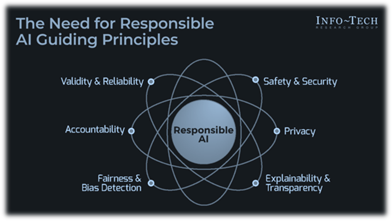
As AI becomes integrated into daily workflows, the security stakes rise significantly. Recent research emphasizes that as we move through 2026, organizations must strengthen adaptive AI governance, deepen risk assessments, and ensure that human oversight remains central as agentic systems expand.
Responsible navigation of AI includes:
- ensuring that people remain accountable for all critical decisions, including maintaining transparency
- safeguarding sensitive government and corporate data when using AI tools
- ensuring outputs are verified before use in high‑stakes environments
- selecting platforms that meet federal cybersecurity expectations
- avoiding input of controlled or proprietary information into public AI systems
AI offers tremendous advantages—but only when implemented with discipline, clarity, and ethical stewardship.
Sources
- Lucidworks: Enterprise AI Adoption in 2026: Trends, Gaps, and Strategic Insights.
- Microsoft News: Copilot Wave 3: Introducing Copilot Cowork and Agentic Experiences (March 2026).
- GSA Strategic Plan: FY 2026 Congressional Justification and IT Modernization Goals.
Written by: Mohamed Elhag and Ethan Taylor